What Does 1st, 2nd and 3rd Mean on LinkedIn?
The 1st, 2nd and 3rd labels are your distance from someone on LinkedIn. Here is what each one means and what you can send at every degree.

Need accounts to run this playbook? Enquire Now
What does 3rd mean on LinkedIn? The 1st, 2nd or 3rd next to a name is your distance from that person. It decides how you can reach them. A 3rd-degree member is connected to your 2nd-degree connections. 1st-degree means you are directly connected. 2nd-degree means they are connected to your 1st-degree connections. The closer the degree, the more ways you have to contact them. Rules checked November 2026.
What does 1st, 2nd and 3rd mean on LinkedIn?
LinkedIn sorts your network into three degrees. The degree you have with someone, in LinkedIn's own words, "affects how you can interact with them."
- 1st-degree connections are people you are directly connected to, because you accepted their invitation to connect or they accepted yours. You will see a 1st icon next to the name. You can message them for free.
- 2nd-degree connections are people who are connected to your 1st-degree connections. You will see a 2nd icon. You cannot message them for free, but you can send an invitation by clicking the Connect button on their profile.
- 3rd-degree connections are people who are connected to your 2nd-degree connections. You will see a 3rd icon next to the name. LinkedIn's own degrees page gives no contact method for 3rd-degree members, so in practice you either send a connection request when the Connect button shows, or reach them with an InMail.
When a 2nd or 3rd-degree member accepts your invitation, or you accept theirs, they become a 1st-degree connection.
Group members and out of network
Two labels sit outside the clean 1st, 2nd and 3rd scheme.
Fellow group members are people LinkedIn counts as part of your network because you belong to the same group. You will see them in the Highlights section of a profile. LinkedIn's older degrees page says you can message a fellow group member, but its current messaging page is stricter: if you are not connected, you send a message request, a free note they have to accept before a conversation opens. You can sometimes reach people through the group itself, but plan for the message request.
"LinkedIn Member" or "out of your network" is anyone who falls outside all of the above. You will often see only "LinkedIn Member" instead of a full name, and their profile shows limited detail. If the option is available, you can send an InMail to introduce yourself.
What you can send at each degree
LinkedIn lets you send different things at each degree. Rules checked November 2026.
| Who they are | Free message? | Connection request? | InMail (paid Premium)? |
|---|---|---|---|
| 1st-degree (you are connected) | Yes, you can message your connections | Not needed, already connected | Not needed, message them free |
| 2nd-degree (connected to your 1st) | No, send a message request or connect first | Yes, click Connect on their profile | Yes, reaches non-connections, 1 credit |
| 3rd-degree (connected to your 2nd) | No, not a connection | Often, when the Connect button shows | Yes, reaches non-connections, 1 credit |
| Fellow group member (not connected) | No, send a message request | Yes, click Connect | Yes |
| Out of network ("LinkedIn Member") | No | Connect may not be available | If the option is available, 1 credit |
| Anyone with Open Profile on | Yes, free, no credit used | n/a | Free through Open Profile |
| Anyone who turned InMail off | No, unless you connect | You can still send a request | No, cannot be reached by InMail |
The only people you can message for free are your 1st-degree connections, plus anyone with Open Profile switched on. For a 2nd or 3rd degree, you either send a connection request and wait for them to accept, which makes them a 1st-degree connection, or you pay for an InMail.
How do you contact someone you are not connected to?
A normal, free LinkedIn message only reaches your connections. In LinkedIn's words, "you can message your 1st-degree connections or LinkedIn Pages for free." For everyone else you have two routes.
First, a connection request. Send it, and if they accept, they become a 1st-degree connection and you can message them for free from then on. On a free account you can add a personalized note to up to three connection requests a month, and a note is up to 200 characters; Premium members send unlimited personalized invitations.
Second, an InMail. An InMail reaches a member you are not connected to, and it needs a Premium plan; a free account has to upgrade to use it. Two limits matter. A member who turned InMail off in their settings cannot be reached by InMail at all. And no plan gives unlimited InMail: monthly credits run Premium Career 5, Premium Business 15, Premium All-in-One 30, Sales Navigator Core and Advanced 50, and Recruiter Lite 30, and you cannot buy extra credits outside that monthly allotment. One free exception: if a member has Open Profile switched on, you can message them for free with no credit used.
Two things people get wrong
Two myths show up in the explainer posts.
- A fellow group member is not a free DM. Under LinkedIn's current rule, if you are not connected, you send a message request they have to accept.
- A 3rd-degree connection is not "someone with no mutual connections." A 3rd-degree member is connected to your 2nd-degree connections. That link through your network is what makes them 3rd degree rather than out of network.
Does a paid plan change what you can reach?
A paid plan does not change the definitions, but it widens what you can see and send. Premium and the sales and recruiting plans add InMail credits, and LinkedIn's Recruiter Lite page lists access to your "1st, 2nd or 3rd degree network" among its features, so paid tiers open up more of your 3rd-degree network. The limits above still hold: more credits, not unlimited ones. If you want the full breakdown by plan, see our plan guides when they are live.
Frequently asked questions
What does 3rd mean on LinkedIn?
A 3rd-degree member is connected to your 2nd-degree connections, so you are two steps away. You usually reach them with a connection request, or with an InMail if you are not connected.
Can you message a 3rd-degree connection?
Not for free. You send a connection request and message them once they accept, or you pay for an InMail, which needs a Premium plan.
What is the difference between a 1st and 2nd degree connection?
A 1st-degree is someone you are directly connected to and can message for free. A 2nd-degree is connected to your 1st-degree connections, so you send an invitation first.
How do you connect with a 2nd-degree connection?
Click the Connect button on their profile to send an invitation. If they accept, they become a 1st-degree connection.
What does "LinkedIn Member" or "out of your network" mean?
It is someone outside your 1st, 2nd and 3rd-degree network and your groups. Their profile shows limited detail, and you can reach them with an InMail if the option is available.
Do you need Premium to message a 2nd or 3rd degree?
To message them without connecting first, yes, through an InMail. Or send a free connection request and message them for free once they accept.
The one free lane: your 1st-degree connections
The only people you can message for free are your 1st-degree connections, plus anyone with Open Profile on. Everyone else is a connection request they have to accept, or a paid InMail with a monthly cap. If your limit is how many people you can reach, more warm 1st-degree connections do more for you than a pricier plan.
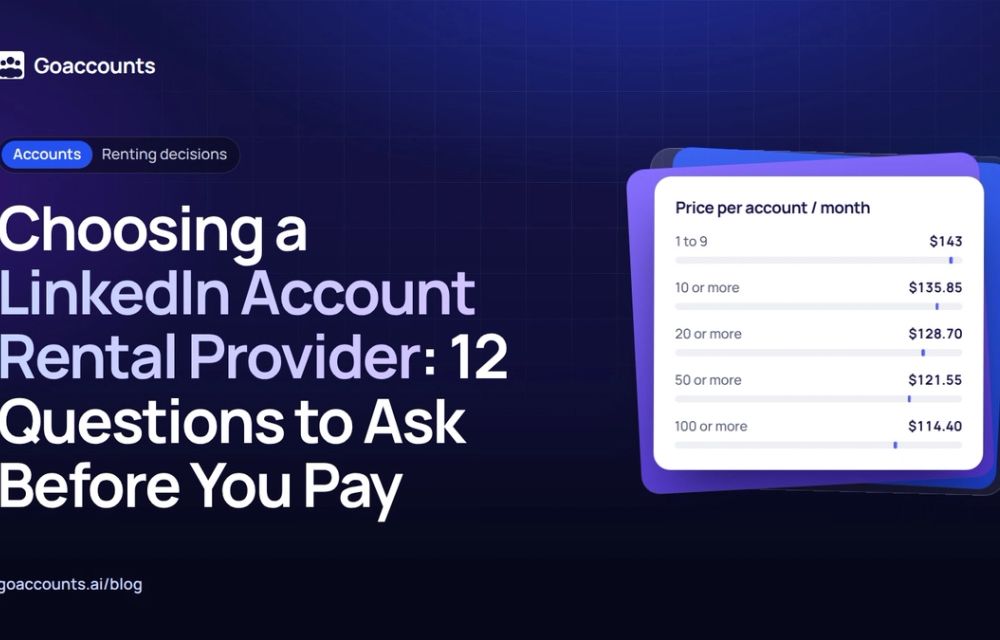
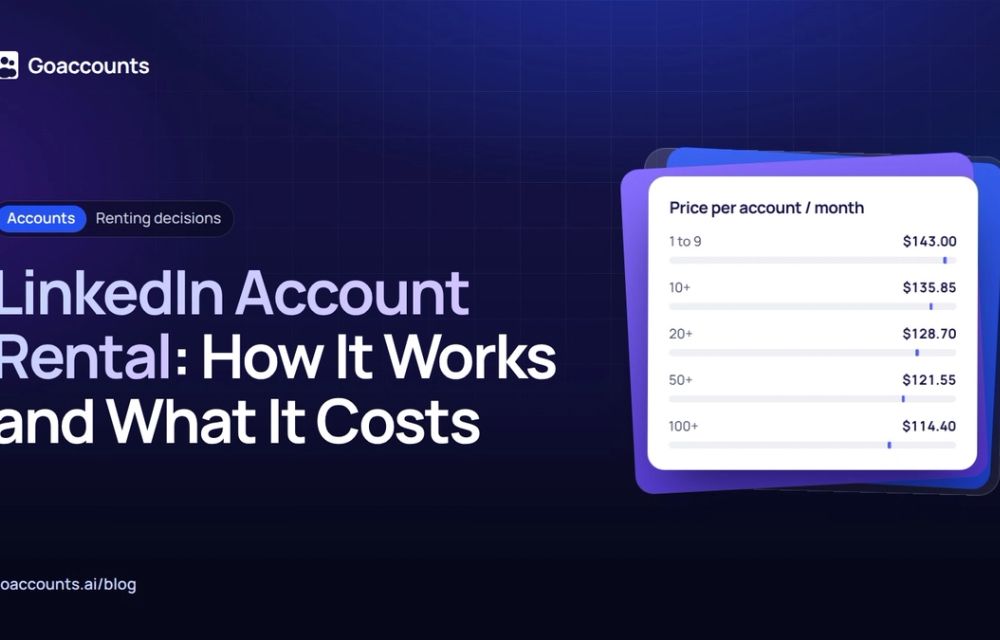
That is why teams running outbound at volume keep adding warmed accounts across more than one profile instead of buying more InMail credits. Every GoAccounts account arrives with 500+ real connections already in place , which is 500+ people it can message for free from day one, plus its own dedicated proxy and browser profile. If you are weighing real versus fabricated accounts or want to know what to do if an account gets restricted, both are covered, and the Academy walks through setup. Accounts rent from $143 a month, month to month. If reach is your limit, start there: see GoAccounts pricing or sign up.
Researched and drafted with AI assistance from our team's notes, and checked against LinkedIn's own degrees, messaging, InMail and Recruiter Lite help pages on 2026-11-16 by the GoAccounts Team.